Tiger Boy Embroidery: A Designer’s Review for Personalized Gifts
As an embroidery designer who has spent years testing digital files for real-world application, I approach every new machine embroidery design with a critical eye. It is not enough for a pattern to look good on a screen; it must perform flawlessly under the needle, withstand washing, and evoke an emotional response from the end buyer. Recently, I tested the Tiger Boy design, a charming addition to the Baby Animals category, to determine its viability for my personalized gift shop. My goal was to assess whether this cute tiger could serve as a reliable asset for custom orders ranging from nursery decor to baby showers.
First Impressions: Charm and Emotional Appeal
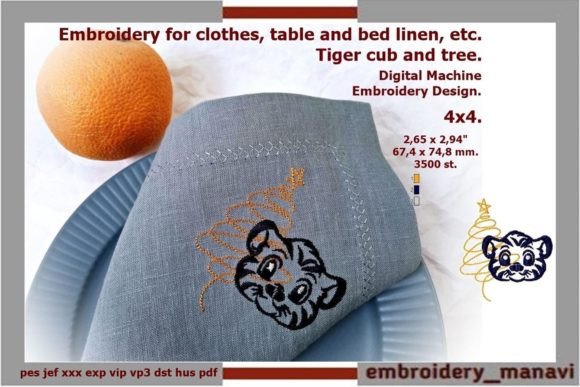
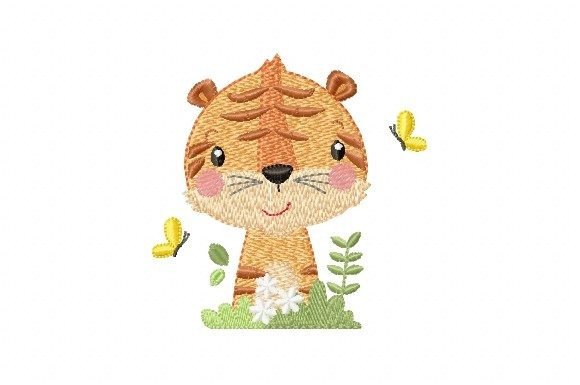
The first thing that strikes you about Tiger Boy is its inherent warmth. In a market saturated with generic motifs, this design manages to feel both playful and sweet without crossing into cluttered territory. The mood is distinctly friendly, making it an ideal candidate for products intended for children or families seeking a touch of whimsy. When I loaded the embroidery file into my software, the preview suggested a balanced composition. It does not rely on overly complex shading, which is often a pitfall in small-scale embroidery, but instead uses clean lines and recognizable shapes to convey character.
For a handmade product to succeed, it must connect emotionally. This tiger feels approachable and safe, qualities that are paramount when designing for babies and young children. It avoids the fierce realism of adult wildlife art, opting instead for a stylized, soft aesthetic that appeals to parents and gift-givers alike. Whether you are aiming for a modern minimalist look or a classic storybook vibe, this design adapts well because of its straightforward yet expressive nature.
Versatility Across Product Lines
One of the strongest assets of Tiger Boy is its versatility. During my review, I mapped out several potential applications to see where the design would shine brightest. Here is how it performs across different categories:
- Baby Embroidery: This is the most obvious fit. The design works beautifully on onesies, bibs, and burp cloths. Its playful accent adds personality to plain white cotton, turning a basic item into a cherished keepsake.
- Nursery Decor: Imagine this tiger stitched onto a pillow cover or a wall hanging. It serves as a focal point in a jungle-themed or neutral-toned nursery, providing a pop of character without overwhelming the space.
- Personalized Towels: An embroidered towel makes for a practical yet thoughtful gift. The design holds up well on terry cloth, provided the correct stabilizer is used, making it a great option for bath time essentials.
- Custom Tote Bags: For older children or parents, stitching this motif onto a canvas tote creates a durable and stylish accessory for daycare or grocery runs.
- Wedding Gift and Keepsakes: While primarily a baby motif, it can be adapted for wedding gifts if the couple is expecting or if it is part of a larger "future family" themed present. It adds a layer of anticipation and joy to the gift.
For Etsy sellers and small shop owners, having a design that translates well across multiple product types increases inventory efficiency. You can create a cohesive collection featuring Tiger Boy across blankets, aprons, and clothing, maximizing the value of a single digital embroidery file.
Technical Considerations and Fabric Challenges
While the aesthetic appeal is high, a professional review must address technical execution. Not all fabrics behave the same way, and Tiger Boy requires careful handling in specific scenarios. Here are the areas where I recommend caution and testing:
Fabric Texture and Thickness: When working with thick towels or plush blanket embroidery, the stitch definition can get lost if the pile is too high. I recommend using a cut-away stabilizer to prevent distortion and ensuring the needle penetrates fully without dragging the fabric. Conversely, on stretchy baby clothes, the lack of proper stabilization can lead to puckering. Always hoop your fabric tightly and consider using a water-soluble topping if the fabric texture is uneven.
Small Details and Lettering: If you plan to combine Tiger Boy with personalized names, pay close attention to the scale. The tiger itself has delicate details that might merge if scaled down too far. Ensure there is enough breathing room between the design and any added text. Small lettering near the tiger’s face should be avoided to maintain clarity.
Dark Fabrics: On dark fabrics, the contrast of the thread colors becomes critical. You may need to adjust your thread palette to ensure the tiger stands out. A test run on scrap fabric is non-negotiable here. Check how the lighter threads pop against the dark background and adjust brightness if necessary.
Enhancing Perceived Value and Customer Trust
In the world of custom embroidery, perceived value is driven by quality and presentation. A well-executed Tiger Boy stitchout signals professionalism. When customers see clean edges, no thread breaks, and vibrant colors, their trust in your brand increases. This design contributes to that perception because it is forgiving yet detailed enough to look intentional and crafted.
Product photography also plays a huge role. This design photographs well because of its distinct shape. Whether you are creating a printable mockup for your online store or shooting the finished product, the tiger’s friendly face draws the eye. This engagement can lead to higher conversion rates for small shop products. Buyers are drawn to items that feel personal and unique, and a well-placed animal motif like this creates an immediate emotional connection.
Practical Steps for Embroidery Makers
Before you list Tiger Boy in your shop or fulfill a customer order, follow these practical steps to ensure success:
- Test on Scrap Fabric: Never skip this step. Use the same fabric type you intend to sell. Check for puckering, thread breaks, and registration issues.
- Check Thread Color Contrast: Ensure your chosen thread colors provide enough contrast against the fabric. Natural tones work well for a rustic look, while bright oranges and blacks offer a traditional tiger appearance.
- Confirm Hoop Size: Verify that the design fits within your machine’s hoop capabilities. Since exact dimensions are not provided in the brief description, check the file properties in your embroidery software.
- Review Stitch Density: High stitch density can make fabric stiff, which is undesirable for baby items. If the design feels too dense, consider using a lighter weight stabilizer or adjusting settings if your software allows.
- Use Proper Stabilizer: Match the stabilizer to the fabric. Cut-away for knits and stretchy materials, tear-away for woven cottons, and wash-away for delicate or textured surfaces.
- Compare Light and Dark Mockups: Create visual previews for both light and dark fabrics to help customers visualize the final result. This reduces return requests due to unexpected appearances.
- Confirm Commercial Licensing: Before selling any commercial embroidery products, always verify the license terms of the digital embroidery file. Ensure you have the right to sell finished goods made with this design.
Final Verdict for Small Business Owners
Tiger Boy is a solid addition to any embroidery designer’s library, particularly for those focusing on the baby and family niche. It balances charm with technical feasibility, making it suitable for a wide range of personalized gift products. By paying attention to fabric choice, stabilization, and thread contrast, you can produce high-quality items that delight customers and build your brand’s reputation. Whether you are creating a cozy pillow cover or a playful baby outfit, this design offers the flexibility and appeal needed to stand out in a crowded marketplace.