Safari Lion: A Designer’s Review for Real Projects
As a designer who spends more time staring at stitch maps than actual fabric, I have learned that the charm of a machine embroidery design often lies in its simplicity. When I first pulled up the Safari Lion file on my screen, I wasn’t looking for complex shading or thousands of color changes. I was looking for character. In the world of Baby Animals themed Embroidery, it is easy to fall into the trap of overly cutesy, cluttered designs that lose their shape once stitched out. However, this particular lion offers a refreshing balance of playful personality and clean execution.
First Impressions and Visual Personality
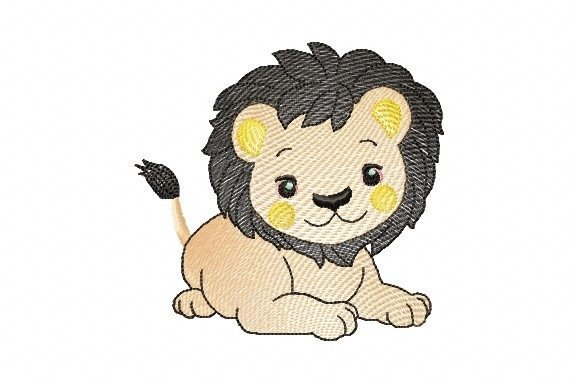
The immediate mood created by Safari Lion is friendly and approachable. It does not try to be realistic; instead, it leans into a stylized, cartoon-like aesthetic that appeals directly to children and parents alike. The layout is compact, which is a crucial detail for anyone working with smaller garments or limited hoop space. The visual personality is soft, avoiding aggressive lines or sharp angles that might look harsh when translated into thread.
For an Etsy seller or craft business owner, this visual clarity is vital. A design that reads well from a distance performs better in product photography and on retail racks. The lion’s mane and facial features are distinct enough to remain recognizable even if the stitching is slightly less than perfect, which is a forgiving trait for high-volume production environments.
Real-World Application: The Custom Tote Test
To truly evaluate a design, you must imagine it in a real-life scenario. I recently considered using Safari Lion for a line of custom canvas tote bags aimed at young families. Canvas is a textured, heavy fabric that can sometimes swallow up fine details. I needed a design with enough substance to stand out against the weave of the material.
In this context, the Safari Lion performed exceptionally well. The broader areas of the design, likely utilizing fill stitch techniques, provided solid coverage that contrasted nicely with the natural tone of the cotton canvas. Had I chosen a design with excessive running stitch detailing or tiny, isolated elements, they might have gotten lost in the fabric texture. Instead, the lion sat prominently on the bag, creating a focal point that felt intentional and professional. This kind of reliability is what builds customer trust in a handmade product.
Versatility Across Product Lines
Beyond tote bags, this design shows promise across various custom apparel items. For sweatshirt embroidery, the playful nature of the lion complements the casual comfort of fleece or cotton blends. It works equally well as a chest pocket accent or a larger back print, depending on the scaling capabilities of your specific embroidery file.
For those specializing in baby embroidery, this design is a natural fit for onesies, bibs, and burp cloths. The "cute" factor is high, but it avoids being overly infantile, meaning it can still appeal to toddlers. If you are creating personalized gift items, such as name-integrated designs, the open space around the lion allows for easy addition of text without crowding the main subject. This flexibility makes it a valuable asset for design assets libraries where versatility is key.
Technical Considerations and Stitching Clarity
While the aesthetic is strong, practical application requires a critical eye toward technical execution. One must consider stitch density. Designs that are too dense can cause puckering, especially on lighter fabrics. Conversely, designs that are too sparse may show the backing or fabric underneath, ruining the finish. With Safari Lion, the balance appears to favor medium density, which is generally safe for most standard home and commercial machines.
However, caution is advised when working with stretchy fabrics like jersey knits. Without proper stabilization, any embroidery can distort. I recommend using a cut-away stabilizer for garments that will undergo frequent washing, such as children’s clothing. For woven fabrics like linen or cotton, a tear-away stabilizer may suffice, but always test on scrap fabric first. This step is non-negotiable for maintaining professionalism in your finished product.
Navigating Fabric and Hoop Constraints
Not every project is ideal for this design. If you are working with very dark fabric, you must carefully select your thread colors. High contrast is essential for the lion’s features to pop. A monochromatic look might work for a subtle, sophisticated vibe, but for the intended playful audience, bright, contrasting threads are likely more effective.
Additionally, consider the hoop size. While the design is compact, ensure you have enough margin around the edges for hooping stability. Attempting to squeeze a design too close to the edge of a small hoop can lead to misalignment or fabric slippage. For curved surfaces like caps, the design’s flat, frontal orientation works well, but you must account for the curvature in your digitizing or placement strategy to prevent distortion.
Commercial Value and Brand Consistency
For small shop product lines, consistency is everything. Safari Lion fits seamlessly into a broader collection of animal-themed items. If you are building a brand around nursery decor or children’s accessories, this design contributes to a cohesive visual identity. It enhances the perceived value of the item because it looks deliberate and well-chosen, rather than generic.
When creating printable mockup images for online listings, the clear lines of the lion translate well to digital previews. Customers can easily visualize how the embroidered patch or direct stitch will look on their desired item. This clarity reduces hesitation in the buying process and can improve conversion rates for digital embroidery file sellers or those selling physical goods.
Final Designer Notes
Before committing to a large batch of holiday embroidery gifts or commercial embroidery orders, take the time to review the specific technical details of your file. Since the product description does not specify exact stitch counts or format compatibility, verify these with your supplier. Ensure the file format matches your machine’s requirements, whether it is PES, DST, or another standard.
- Test on scraps: Always stitch a sample on the same fabric type you intend to use for the final product.
- Check contrast: Verify that your thread palette provides enough distinction between the lion’s mane, face, and background.
- Review licensing: Confirm whether the license allows for commercial sale of finished items if you plan to sell products featuring Safari Lion.
- Inspect details: Zoom in on the digitized file to check for any potential jump stitches or unnecessary trims that could slow down production.
In conclusion, Safari Lion is a solid choice for designers seeking a reliable, charming addition to their repertoire. It bridges the gap between whimsical appeal and practical stitchability, making it a worthy candidate for everything from tote bag design projects to boutique apparel decorators collections. With careful attention to fabric choice and stabilization, it can elevate the quality and appeal of your handmade offerings.