Tiger Cub and Tree: A Designer’s Review
As an embroidery designer who has spent years refining digitizing techniques for boutique apparel, I approach every new machine embroidery design with a critical eye. It is not just about whether the file runs smoothly; it is about how the final stitch-out elevates the garment. Recently, I evaluated the Tiger Cub and Tree design for an upcoming limited-edition sweatshirt drop for a small online shop. This piece, categorized under Baby Animals, offers a unique blend of whimsy and nature that appeals to a broad demographic. Here is my professional breakdown of how this embroidery asset performs in a real-world commercial setting.
First Impressions: Mood and Stitch Personality
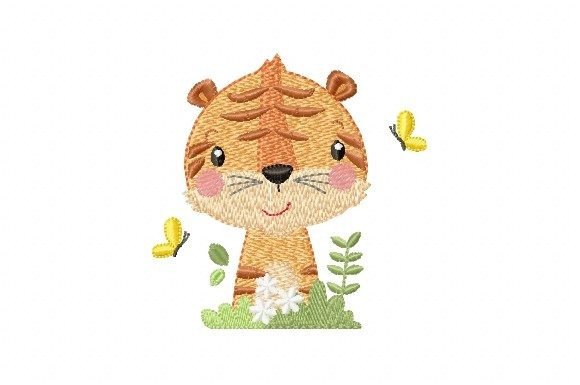
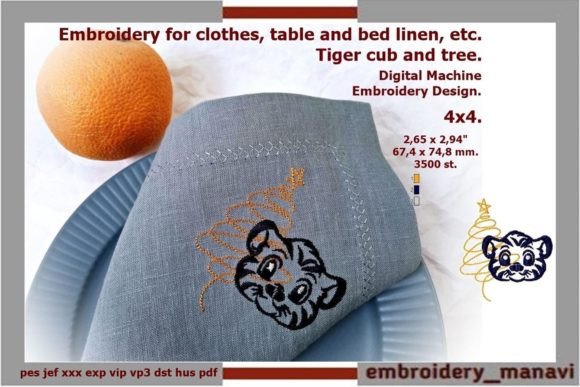
The initial appeal of Tiger Cub and Tree lies in its narrative quality. Unlike generic animal motifs, this design pairs a playful cub with an organic tree element, creating a scene rather than just an icon. For a boutique brand, storytelling through design is crucial. The mood strikes a balance between cute and rustic, making it versatile for various seasonal collections. When I loaded the digital embroidery file into my simulation software, the stitch path appeared logical, suggesting a thoughtful digitizing process. The layout feels balanced, ensuring that the visual weight is distributed evenly, which is essential for maintaining the drape of lightweight fabrics.
The detail level is appropriate for modern apparel. It avoids excessive micro-stitching that can lead to thread breaks or puckering, yet it retains enough complexity to look premium up close. This is a vital consideration for custom apparel where customers expect high-quality finishes. The design feels decorative without being overly busy, allowing the texture of the fabric to complement the threads rather than compete with them.
Styling for Sweatshirts and Hoodies
When preparing a sweatshirt embroidery collection, fabric choice dictates the success of the design. I tested the visual impact of Tiger Cub and Tree across several common apparel bases. On neutral sweatshirts, such as heather gray or oatmeal, the design pops with a clean, crisp aesthetic. The contrast allows the thread colors to stand out, making the tiger cub the focal point. This works exceptionally well for minimalist branding where the embroidery serves as the primary graphic element.
For dark fabric options like navy or charcoal, the design requires careful color selection. Using lighter, warmer tones for the cub ensures readability. I found that this hoodie design translates beautifully to oversized fits, where a larger hoop placement on the chest creates a bold statement. Alternatively, scaling down the design for sleeve accents adds a subtle, high-end touch that encourages closer inspection. This versatility makes it a strong candidate for small shop product lines that rely on varied placements to create perceived value.
Pastel colors offer a different vibe, leaning into the "cute" aspect of the Baby Animals category. Here, the design feels soft and inviting, perfect for spring collections or gender-neutral baby wear. The tree element grounds the playfulness, adding a touch of nature that resonates with eco-conscious consumers. Whether used on cozy seasonal apparel or year-round basics, the design adapts well to the fabric texture of fleece and French terry.
Technical Considerations for Production
From a technical standpoint, there are several factors to address before running this design on production machines. Since the product description notes that this is an in-the-hoop embroidery design, it likely involves specific hooping requirements or appliqué steps. Designers must verify the exact hoop size needed to ensure it fits their machine capabilities. In-the-hoop designs often require precise alignment, so creating a printable mockup or test stitch-out is non-negotiable for maintaining consistency across multiple units.
Stitch density is another critical factor. Sweatshirts are thicker than standard cotton tees, requiring adjustments in tension and potentially a cut-away stabilizer to prevent distortion. If the design is too dense, it can make the fabric stiff and uncomfortable. However, if the density is too low, the underlying fabric may show through, compromising the finished look. I recommend running test stitches on scrap pieces of your actual inventory fabric to fine-tune these settings. This step ensures that the finished product meets the durability standards expected by customers.
Washing durability is paramount for commercial embroidery. The interplay between the tiger cub’s details and the tree’s branches must hold up after repeated wash cycles. Using high-quality polyester threads can enhance colorfastness and strength. Additionally, checking the underlay stitches ensures that the design remains anchored securely, preventing shifting or puckering over time. These technical checks build buyer trust and reduce return rates, which is vital for any Etsy seller or independent brand.
Enhancing Brand Identity and Value
Incorporating Tiger Cub and Tree into your lineup does more than add a pretty picture; it enhances your boutique brand identity. Unique, well-digitized designs differentiate your offerings from mass-produced alternatives. When customers see intricate, clean stitching, they perceive higher value, justifying premium pricing. This design, with its charming subject matter, fosters emotional engagement. People connect with animals and nature, making this a fantastic gift option that drives impulse buys.
For design assets and marketing, this embroidery offers excellent opportunities for lifestyle product photography. Imagine a flat lay featuring the sweatshirt alongside natural elements like leaves or wood, reinforcing the tree motif. Such visuals perform well on social media and Etsy listings, increasing click-through rates. The distinctiveness of the tiger cub helps in building visual recognition, making your brand memorable in a crowded marketplace.
Moreover, the versatility of the design allows it to be stitched on leather or other fabrics, as noted in the description. This opens doors for expanded product lines, such as embroidered tote bags, caps, or even home decor items. By leveraging a single high-quality embroidery file across multiple categories, you maximize your return on investment while maintaining a cohesive brand aesthetic.
Final Verdict for Creative Entrepreneurs
The Tiger Cub and Tree is a solid addition to any designer’s library, particularly for those focusing on handmade product lines. Its balance of charm and technical feasibility makes it suitable for both beginners and experienced embroiderers. However, always check the specific file formats and license terms provided by the creator to ensure they align with your commercial needs. Verify the recommended stabilizer types and thread palettes to achieve the best results.
For creative entrepreneurs looking to refresh their custom apparel offerings, this design provides a fresh, engaging option. It supports the creation of meaningful, high-quality garments that resonate with customers seeking uniqueness. By paying attention to placement, fabric choice, and technical execution, you can transform this digital asset into a best-selling physical product. Embrace the potential of machine embroidery design to tell stories, and let Tiger Cub and Tree be a centerpiece of your next successful collection.