Tutan Khamun: A Designer’s Review for Personalized Gifts
As an embroidery designer who has spent years testing digital files for real-world application, I approach every new machine embroidery design with a mix of curiosity and caution. When I first loaded the Tutan Khamun file into my software, I was looking for more than just aesthetic appeal. I needed to know if this design could hold up under the scrutiny of a paying customer. For those of us running small shops or selling on platforms like Etsy, the difference between a good design and a great one often lies in the stitching details and the emotional resonance of the final personalized gift.
First Impressions: Mood and Charm
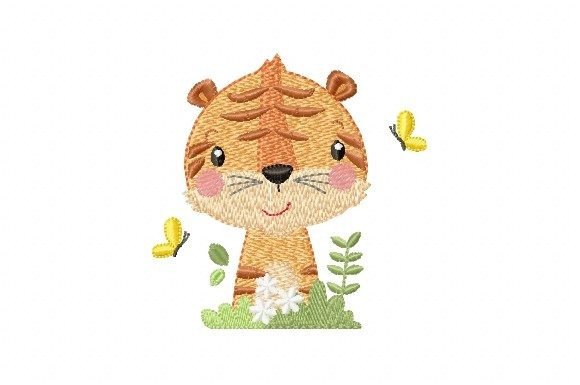
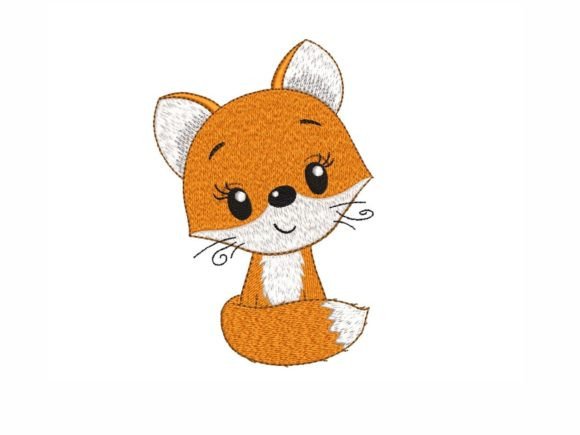
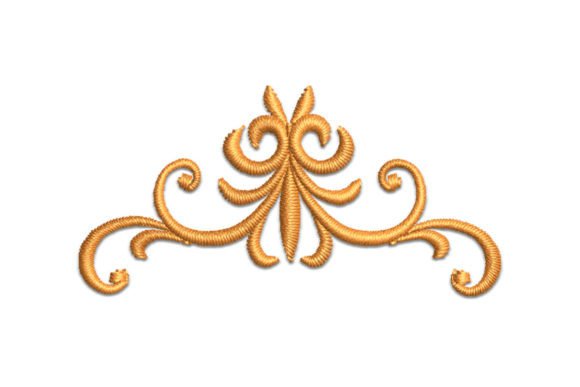
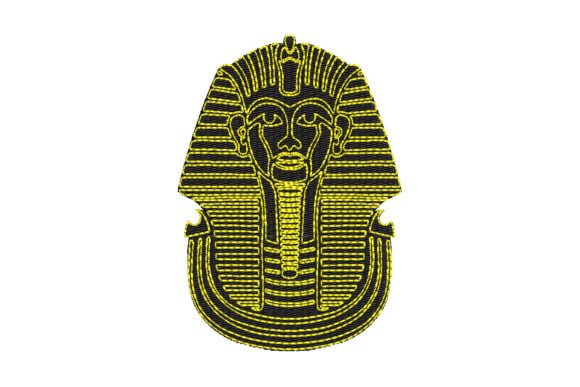
The immediate impression of Tutan Khamun is one of understated elegance. It does not scream for attention with overly complex satin stitches or chaotic fill patterns. Instead, it relies on a beautiful Tatami stitch structure that gives the design a textured, organic feel. This choice of stitch type is crucial for a design intended for the Work category of daily-use items. The Tatami fill provides durability, which is essential for products that will be washed and used frequently.
The mood of the design is versatile. It feels both classic and modern, making it suitable for a wide range of demographics. It is not overly childish, which allows it to transcend typical baby embroidery niches, yet it retains a softness that appeals to parents and gift-givers alike. For a designer, this versatility is gold. It means I can market the same embroidery file to a bride looking for a subtle wedding gift and a new mother seeking a keepsake for her nursery.
Real-World Application: From Blankets to Towels
To truly test Tutan Khamun, I imagined several specific customer scenarios. The first was a request for a high-end embroidered towel. Towels are tricky; the loops of the fabric can swallow small details. However, because Tutan Khamun utilizes a robust Tatami stitch, it sits well on top of terry cloth without getting lost. The design maintains its integrity, offering a luxurious look that elevates a simple kitchen or bath towel into a handmade product worthy of a higher price point.
Next, I considered its use on a baby blanket. Blanket embroidery requires careful attention to stitch density. If a design is too dense, it can make the fabric stiff and uncomfortable against a baby’s skin. Tutan Khamun appears to strike a balance, providing visual weight without excessive bulk. This makes it an excellent candidate for custom embroidery on minky or cotton blends. The emotional connection here is strong; parents want gifts that feel special but remain practical. This design delivers on both fronts.
For the Etsy seller or craft fair vendor, the design also works beautifully on tote bags and aprons. These items are often made from canvas or heavier cottons, which can handle slightly higher density. The visual charm of Tutan Khamun adds a unique touch to these everyday items, transforming them from generic accessories into personalized statements. Whether it is a bridal party gift or a teacher appreciation present, the design adapts seamlessly to the medium.
Navigating Fabric Textures and Challenges
While Tutan Khamun is versatile, it is not without its challenges. As with any digital embroidery file, success depends on understanding the interaction between the thread, the needle, and the fabric texture. I recommend extreme caution when applying this design to stretchy fabrics, such as jersey knits used in baby clothes. Without proper stabilization, the Tatami stitch can cause puckering, which ruins the clean lines of the design.
Dark fabrics present another hurdle. The beauty of this design lies in its subtle shading and texture. On black or navy fabric, you must ensure high contrast in your thread colors. A muted palette might look sophisticated in a printable mockup, but in reality, it can disappear into the background. I always advise testing on scrap fabric first, especially when moving from light to dark materials. This step is non-negotiable for maintaining professional quality.
Additionally, consider the hoop size relative to the product. If you are embroidering a curved surface, like a pillow cap or a onesie shoulder, ensure the design fits comfortably within the hoop without distorting the garment. Tutan Khamun’s layout is generally forgiving, but placement is key. A design that looks centered in software may appear off-balance on a three-dimensional object.
Enhancing Perceived Value and Trust
From a business perspective, the right design can significantly boost perceived value. Tutan Khamun contributes to this by looking intentionally crafted rather than mass-produced. When customers see the textured depth of the Tatami stitch, they recognize the quality of the finished product. This builds trust. In the world of online sales, where buyers cannot touch the item, high-quality photography of the stitched result is vital. The lighting should highlight the texture of the stitches to showcase the craftsmanship.
For small shop product lines, consistency is key. Using a design like Tutan Khamun across multiple items—pillows, towels, and bags—creates a cohesive brand aesthetic. It signals to the buyer that you are a serious commercial embroidery provider who cares about detail. This emotional connection often leads to repeat business and positive reviews, which are the lifeblood of any handmade enterprise.
Practical Notes for the Embroiderer
Before you begin stitching Tutan Khamun on customer orders, there are several technical steps you must take. First, always check the specific file formats provided. While the description mentions multiple embroidery file forms, ensure you have the correct version for your machine model. Second, review the stitch count and density settings in your software. Adjustments may be necessary depending on your thread tension and needle type.
Stabilizer selection is critical. For woven fabrics like linen or cotton, a cut-away stabilizer is often best for durability, especially for items that will be washed often. For knits, a tear-away with a topping might be necessary to prevent sinking. Always run a test stitch-out on the exact fabric you plan to use. Check the small details after stitching to ensure no threads are looping or breaking.
Finally, confirm the licensing terms. If you are selling the finished product, ensure your purchase of the digital file includes commercial rights. Most designers offer different licenses for personal versus commercial use, so clarity here protects your business.
Final Thoughts on Tutan Khamun
In the realm of Embroidery design, Tutan Khamun stands out as a reliable, aesthetically pleasing option for personalized gifts. Its strength lies in its adaptability and the quality of its Tatami stitch execution. Whether you are creating a wedding gift, a nursery item, or a custom tote, this design offers the professional finish that customers expect. By paying attention to fabric choice, stabilization, and thread contrast, you can leverage Tutan Khamun to create products that are not only beautiful but also enduring. For the serious maker, it is a valuable addition to your digital library, ready to bring warmth and charm to your next project.