Japanese Sashiko Shape Lion Review
As an embroidery designer who spends countless hours digitizing and testing files for boutique apparel, I am always on the lookout for designs that bridge the gap between traditional craftsmanship and modern streetwear. Recently, I came across Japanese Sashiko Shape Lion on Creative Fabrica, and it immediately caught my eye as a potential standout piece for my upcoming sweatshirt collection. For those of us running small clothing brands or Etsy shops, finding a unique machine embroidery design that feels both authentic and trendy is no small feat. This review breaks down how this specific Embroidery file from the Asia category performs in real-world applications, specifically for custom apparel and handmade products.
First Impressions: Visual Personality and Stitch Mood
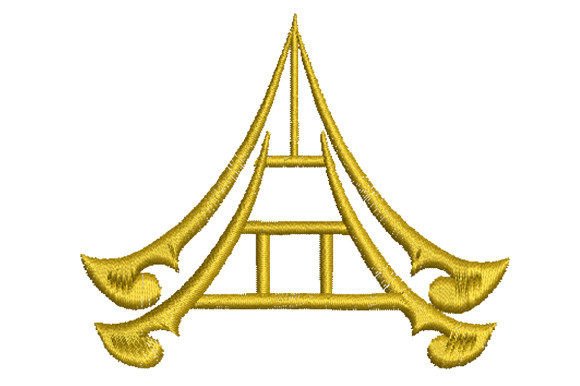
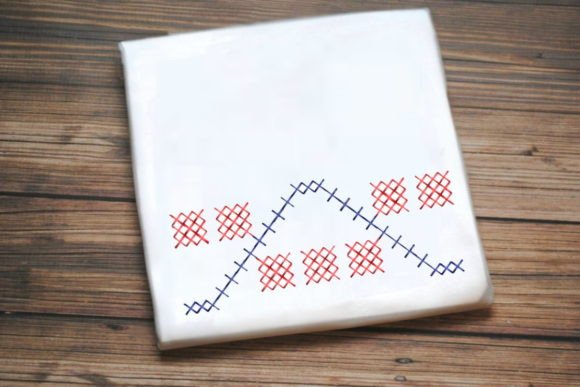
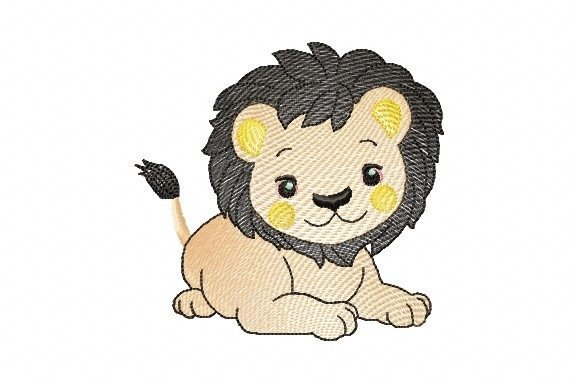
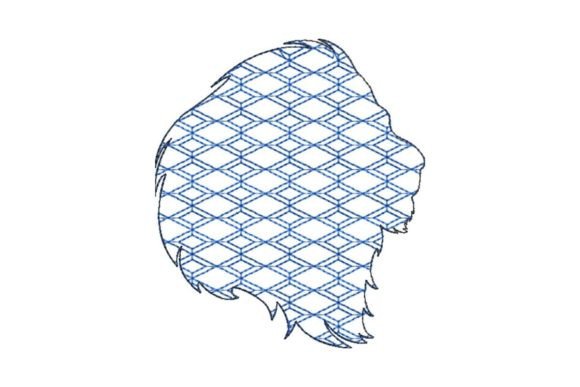
The first thing you notice about Japanese Sashiko Shape Lion is its distinct visual personality. It does not attempt to be a hyper-realistic portrait of a lion; instead, it leans into the geometric and rhythmic nature of Sashiko stitching. This gives the design a rustic yet chic aesthetic that feels incredibly premium. The mood is calm but bold, making it versatile enough for both masculine and feminine garments. For a boutique brand, this kind of decorative strength is invaluable because it speaks to quality without being overly loud.
The detail level is balanced perfectly. It is intricate enough to look impressive up close, which is crucial for lifestyle product photos and social media graphics, but not so dense that it becomes stiff or heavy on the fabric. When I visualize this on a neutral sweatshirt, the contrast between the traditional Japanese style and the casual comfort of modern loungewear creates a compelling narrative. It feels classic yet undeniably trendy, appealing to customers who appreciate cultural motifs in their everyday wear.
Apparel Applications: From Sweatshirts to Totes
When planning a collection, versatility is key. I tested the concept of Japanese Sashiko Shape Lion across various garment types, and the results were promising. For sweatshirt embroidery, this design shines on the chest area of oversized hoodies. The geometric lines of the Sashiko style complement the soft texture of fleece, adding a structured element to an otherwise relaxed silhouette. On pastel hoodies, the design adds a necessary visual weight, while on dark apparel, it offers a sophisticated pop of texture if stitched in contrasting thread colors.
Beyond hoodies, this embroidery file works beautifully on denim jackets. The sturdy nature of denim pairs well with the traditional roots of Sashiko, creating a rugged, artisanal look that appeals to buyers looking for durable, high-quality pieces. For t-shirt embroidery, placement is critical. A smaller version on the sleeve or near the hem can serve as a subtle accent, elevating a basic tee into a designer item. Additionally, tote bags are a fantastic canvas for this design. The flat surface allows the stitch density to lay evenly, making it a perfect gift item or add-on product for your small shop product lineup.
Placement Strategies for Maximum Impact
- Hoodie Chest Placement: Centered or slightly off-center for a modern asymmetrical look.
- Sleeve Accents: Ideal for vertical alignment along the forearm.
- Back Designs: Can be scaled up for a statement piece on the upper back.
- Tote Bag Design: Centered prominently for maximum visibility.
Technical Considerations for Embroidery Shops
While the aesthetic appeal of Japanese Sashiko Shape Lion is clear, successful execution depends on technical precision. As an experienced designer, I cannot stress enough the importance of checking the specific file details before production. Since the product description for Japanese Sashiko Shape Lion 30 Add some traditional Japanese style to your sewing projects This creative embroidery design is perfect for creating chic outfits and textile decorations. Use it to embel does not explicitly list stitch count, file formats, or hoop size, you must confirm these details on the Creative Fabrica product page. Knowing the hoop size is essential to ensure the design fits your intended placement, especially for smaller items like sleeve accents.
Stitch density is another critical factor. Sashiko-inspired designs often rely on running stitches or satin borders. If the density is too high for stretchy fabric or fleece, the garment may pucker. I recommend testing on scrap fabric that matches your final product. For sweatshirts and hoodies, a cut-away stabilizer is usually best to support the weight of the embroidery without restricting the stretch of the ribbed cuffs or hem. Always review thread color contrast; since Sashiko is traditionally white on indigo, consider using cream or light gray threads on navy or black garments for an authentic look, or go bold with gold or rust tones for a contemporary twist.
Enhancing Brand Identity and Buyer Trust
Incorporating unique designs like Japanese Sashiko Shape Lion into your inventory does more than just add a pretty picture; it enhances your brand identity. For Etsy sellers and creative entrepreneurs, offering commercial embroidery products that feature culturally rich and artistically complex designs builds buyer trust. It signals that you care about the provenance and quality of your materials. When customers see a well-executed Sashiko lion on a high-quality hoodie, they perceive higher value, which can justify premium pricing.
Furthermore, this design aids in visual consistency across your marketing channels. Whether you are creating printable mockups for your online store or shooting lifestyle product photos for Instagram, the distinct shape of the lion provides a recognizable visual anchor. This helps with product recognition and customer engagement, as followers begin to associate that specific aesthetic with your boutique brand. It transforms a simple garment into a piece of wearable art, encouraging shares and saves on social media platforms.
Practical Designer Notes for Production
Before you launch this design in your shop, keep these practical steps in mind to ensure a professional finished product:
- Test on Scrap Fabric: Always run a test stitch-out on the exact fabric type you plan to use, whether it is cotton fleece, French terry, or denim.
- Check Stabilizer Choice: Match your stabilizer to the fabric weight. Heavier fabrics may need less support, while lighter knits require robust stabilization to prevent distortion.
- Review Thread Color Contrast: Plan your thread palette in advance. Sashiko looks best with high contrast, but ensure the threads are colorfast if the garment will be washed frequently.
- Confirm Hoop Size: Verify the dimensions of the digital embroidery file to ensure it fits your machine’s hoop and your desired placement area.
- Inspect Stitch Density: Look for any areas where stitches might cluster too tightly, which could cause puckering on curved surfaces or stretchy materials.
- Compare Placement Options: Mock up the design on different parts of the garment to see where it flows best with the seams and pockets.
- Check Licensing: Before selling finished apparel, double-check the license terms on Creative Fabrica to ensure commercial use is permitted for physical goods.
In conclusion, Japanese Sashiko Shape Lion is a compelling addition to any embroidery designer’s library. Its blend of traditional Asian aesthetics with modern application potential makes it a strong candidate for boutique apparel. By paying attention to technical details like stabilizer choice and stitch density, you can create high-quality, custom apparel that stands out in a crowded market. Whether you are decorating sweatshirts, tote bags, or denim jackets, this design offers the artistic depth needed to elevate your handmade product line.