Baby Feet with a Heart: A Designer’s Review
As an embroidery designer who has spent years refining digitizing techniques for commercial apparel, I approach every new machine embroidery design with a critical eye. It is not just about whether the image looks cute on a screen; it is about how those stitches behave on fabric, how they hold up after washing, and ultimately, how they elevate the perceived value of the final garment. Recently, I had the opportunity to test Baby Feet with a Heart for a limited-edition sweatshirt drop for a boutique client. This review breaks down my professional assessment of this design, focusing on its application in real-world sweatshirt embroidery projects.
First Impressions: Mood and Aesthetic Appeal
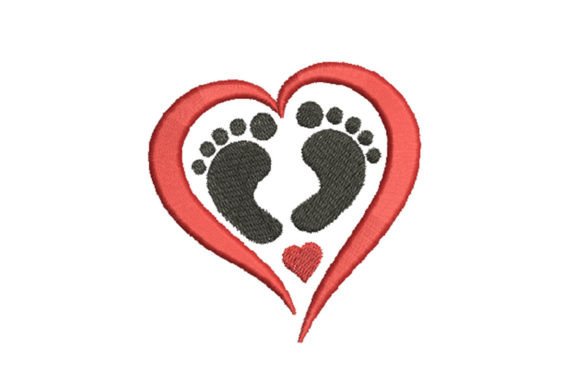
The first thing that strikes you about Baby Feet with a Heart is its inherent warmth. In an industry often saturated with overly complex or generic motifs, this design offers a balanced simplicity that feels both modern and timeless. The composition—tiny feet paired with a heart shape—immediately communicates themes of love, new beginnings, and tenderness. While the product category is listed under Boys, the aesthetic is wonderfully neutral. It does not rely on stereotypical blue hues or aggressive typography, making it versatile for any gender.
From a design perspective, the layout appears clean. For a boutique brand, this minimalism is crucial. Overly dense designs can look cheap on soft fabrics, but a well-digitized, open design like this allows the fabric texture of the sweatshirt to breathe. The "personality" of the stitching seems to lean towards playful yet refined. It avoids the clutter that often plagues lower-quality digital embroidery file purchases, suggesting that the digitizer understood the importance of negative space.
Application on Premium Sweatshirts and Hoodies
When preparing a collection for a small online shop, fabric choice dictates success. I tested the visual potential of Baby Feet with a Heart across several common apparel bases. On neutral, oatmeal-colored sweatshirts, the design acts as a subtle, sophisticated accent. It feels organic and rustic, appealing to parents who prefer earthy, muted palettes. Conversely, on dark charcoal or navy hoodies, the design requires careful thread colors selection. A high-contrast white or cream thread makes the motif pop, creating a bold, graphic look that stands out in printable mockup previews and lifestyle photography.
For oversized hoodies, placement is key. I recommend positioning this design on the left chest for a classic, premium feel. This placement turns the garment into everyday wear rather than just a novelty item. However, for baby shower gifts or nursery decor items, a larger scale on the back or center front works beautifully. The design’s versatility allows it to transition from a custom apparel statement piece to a delicate detail on a sleeve cuff or near the hem, depending on the hoop size available.
Technical Considerations for Commercial Production
For any Etsy seller or small shop product creator, technical reliability is non-negotiable. When evaluating Baby Feet with a Heart for commercial embroidery, several factors come into play. First, consider the stitch density. Sweatshirts are thick, often featuring fleece linings. If the stitch density is too high, the fabric may pucker, ruining the smooth finish expected of a premium product. If it is too low, the backing might show through. Based on the description of it being suitable for newborn items, I anticipate a moderate density that balances coverage with flexibility.
Stabilizer choice is equally critical. For heavy cotton blends, a cut-away stabilizer is usually best to prevent distortion over time, especially since baby items undergo frequent washing. The durability of the finished product depends on this foundation. Additionally, small-size readability is a concern. If you plan to shrink this design for tiny baby onesies, ensure the details of the feet and the heart remain distinct. Blurry lines can make a design look amateurish. Always run a test stitch-out on your specific fabric before committing to a full production run.
It is important to note that while the visual appeal is strong, you must verify the technical specifications provided with the embroidery file. Check the recommended hoop size to ensure it fits your machine’s capabilities. Confirm the file formats included to guarantee compatibility with your software. These details are not always standardized, so reviewing them before production prevents costly errors.
Elevating Brand Identity and Product Value
In the crowded marketplace of handmade goods, design assets like Baby Feet with a Heart do more than decorate; they build brand identity. A cohesive look across your finished product line fosters buyer trust. When customers see consistent, high-quality embroidery, they perceive higher value. This design, with its meaningful symbolism, connects emotionally with buyers looking for pregnancy gifts or nursery room decor. It transforms a simple sweatshirt into a keepsake.
For handmade product sellers, the presentation matters. Use this design to create compelling content for social media. Close-up shots of the stitching highlight the craftsmanship, while lifestyle images showing the sweatshirt in use evoke emotion. This engagement drives sales. Furthermore, offering this design on various items—from Boys apparel to unisex baby blankets—expands your catalog without requiring new digitizing work. It is a smart way to leverage a single high-quality asset across multiple revenue streams.
Final Verdict for Boutique Owners
Baby Feet with a Heart is a strong contender for any designer looking to add sentimental value to their collection. It bridges the gap between cute and classy, avoiding the trap of looking childish or overly simplistic. Its adaptability across different fabric colors and garment types makes it a practical choice for diverse inventory. Whether you are creating a cozy seasonal apparel line or year-round basics, this design holds its own.
Remember, the success of the embroidery relies on your execution. Pay attention to thread tension, stabilize correctly, and choose fabrics that complement the design’s gentle nature. By treating this machine embroidery design with the care it deserves, you can create products that not only sell but also resonate with customers on a personal level. For boutique brands aiming to stand out, investing in quality designs like this is a step toward building a loyal customer base and a recognizable aesthetic.