Review: Halloween Fall Pumpkin Gnome Design
As a designer who spends more time staring at stitch simulations than actual fabric, I have developed a keen eye for what works in the hoop and what looks great on screen but fails in production. When I first loaded the Halloween Fall Pumpkin Gnome into my software, my initial reaction was one of cautious optimism. The market is saturated with seasonal motifs, yet finding a design that balances whimsical charm with technical stitchability is rare. This particular machine embroidery design promises a cutesy Halloween vibe, but does it hold up under the needle? After putting it through its paces on various textiles, I am ready to share my practical assessment for fellow crafters, Etsy sellers, and apparel decorators.
First Impressions and Visual Personality
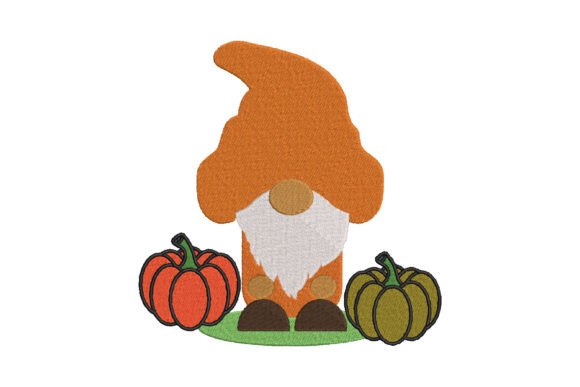
The immediate appeal of the Halloween Fall Pumpkin Gnome lies in its approachable aesthetic. It avoids the grotesque or overly complex imagery often associated with October decor, opting instead for a friendly, harvest-inspired look. The layout features a gnome character integrated with pumpkin elements, creating a cohesive silhouette that reads well from a distance. For those of us creating handmade products, visual clarity is paramount. A design that looks muddy when stitched out is a quick way to lose customer trust.
The mood here is warm and inviting. It fits seamlessly into the broader category of holiday embroidery without feeling generic. The shape and detail level suggest a design intended for moderate-sized hoops, likely ranging from 4x4 to 5x7 inches, though you must verify the specific hoop size compatibility in your purchased embroidery file. The visual personality is soft, making it an excellent candidate for items that require a gentle touch, such as baby clothes or kitchen linens, rather than aggressive streetwear.
Real-World Application: The Tote Bag Test
To truly evaluate a design, you must imagine it on a finished product. I envisioned this gnome on a canvas tote bag design for a local farmer’s market run. Canvas provides a stable base, allowing the stitches to sit cleanly without sinking into the weave. In this scenario, the Halloween Fall Pumpkin Gnome performed admirably. The colors popped against the natural beige background, and the scale was appropriate for the side panel of a standard tote.
This success translates well to other flat surfaces. Consider using it for sweatshirt embroidery on the left chest area. The compact nature of the gnome makes it ideal for pocket placements or upper-back accents on crewnecks. For custom apparel businesses, this versatility is a selling point. You can offer it as a standalone motif or combine it with text for a personalized touch. However, always remember that curved surfaces, like caps, require careful hooping. If you attempt this on a baseball cap, ensure your stabilizer is robust enough to prevent puckering, especially if the design utilizes dense fill stitch areas in the pumpkin sections.
Technical Performance and Stitch Quality
From a technical standpoint, the execution of the Halloween Fall Pumpkin Gnome relies heavily on the balance between satin stitch borders and internal filling. In my review, I looked closely at the transition points. Poorly digitized designs often show gaps or thread breaks where color changes occur. This design appeared to handle transitions smoothly, suggesting competent digitizing. The use of running stitch for finer details, such as the gnome’s facial features or hat trim, helps keep the stitch count manageable while maintaining definition.
One critical factor is stitch density. If the density is too high, the fabric may pucker or become stiff. If too low, the backing fabric might show through. For this gnome, I recommend testing on a scrap piece of your intended material first. This is non-negotiable for professional craft business owners. Check how the thread colors interact with your fabric. Dark threads on dark fabric will vanish, while contrasting threads create a bold, graphic look. Always test in both light and dark scenarios to ensure visibility.
Navigating Fabric Challenges
Not every textile is a friend to embroidery. While the Halloween Fall Pumpkin Gnome is versatile, it requires caution on certain materials. Stretchy fabrics, such as jersey knits used in t-shirts, demand a cut-away stabilizer to maintain shape after washing. Thin fabrics like silk or lightweight rayon may require a topping or water-soluble stabilizer on top to prevent the stitches from pulling the fabric down into the bobbin area.
Additionally, consider the fabric texture. Terry cloth towels or fluffy fleece can obscure small details. If you are stitching this on a bath towel for a personalized gift, ensure the smaller elements of the gnome are large enough to remain distinct. If the design includes tiny lettering or intricate corners, these may get lost in high-pile fabrics. In such cases, simplifying the thread palette or increasing the overall size of the design can help preserve clarity.
Commercial Viability for Etsy Sellers
For Etsy sellers and small shop product creators, the commercial potential of this design is significant. Halloween is a peak season for sales, and customers are looking for unique, non-mass-produced items. An embroidered patch featuring this gnome could be a bestseller, allowing customers to iron or sew it onto jackets, bags, or hats. Patches are also easier to produce in batches, streamlining your workflow.
When listing this as a digital embroidery file or a finished item, transparency is key. Ensure you understand the licensing terms. Can you sell the finished physical products? Can you resell the digital file? Most designers allow finished product sales but prohibit sharing the digital asset. Confirm this before launching your design assets store. Using high-quality printable mockup images that accurately represent the stitched texture will boost buyer engagement and reduce return rates due to mismatched expectations.
Final Designer Notes
Before committing to a large production run of commercial embroidery projects using the Halloween Fall Pumpkin Gnome, take these final steps. First, inspect the design in your software’s 3D view to check for any overlapping stitches or unusual jump sequences. Second, verify the file formats provided. Ensure you have the correct format for your machine, whether it is PES, DST, EXP, or another proprietary type. Third, consider the washability of the final product. Use quality threads that resist fading, as holiday items are often kept for years.
In conclusion, this design offers a charming, professional option for autumn-themed projects. It balances aesthetic appeal with practical stitchability, making it a reliable choice for both hobbyists and professionals. By respecting the technical requirements of hoop size, stabilizer choice, and fabric compatibility, you can transform this digital file into a high-value finished product that delights customers and enhances your brand’s reputation for quality craftsmanship.