One Thankful Teacher: A Designer’s Review
As an embroidery designer who has spent years digitizing patterns for small businesses, I approach every new machine embroidery design with a critical eye. It is not enough for a pattern to look cute on a screen; it must perform under the needle, hold up in the wash, and elevate the brand it represents. Recently, I reviewed One Thankful Teacher Thanksgiving, a digital asset that promises to bring warmth and professionalism to seasonal merchandise. For boutique owners, Etsy sellers, and apparel decorators, understanding how this design translates from a digital embroidery file to a tangible product is essential for maximizing return on investment.
First Impressions: Visual Personality and Brand Fit
The title One Thankful Teacher Thanksgiving immediately suggests a specific aesthetic: warm, appreciative, and community-focused. In the context of branding, this design does not scream for attention with aggressive boldness. Instead, it offers a friendly, handmade feel that aligns perfectly with businesses aiming for a rustic or classic vibe. When I visualize this on a mockup, it feels less like a corporate logo and more like a badge of honor or a heartfelt gesture.
For small business owners in the education sector, local bakeries, or creative studios, this visual personality is a powerful tool. It conveys trust and approachability. However, for high-end luxury brands or ultra-modern tech startups, the decorative nature of the design might feel out of place. The key is matching the design’s inherent warmth with a brand identity that values connection and tradition. If your customer base appreciates the personal touch of a handmade product, this design hits the right emotional notes.
Real-World Application: From Patches to Uniforms
The versatility of One Thankful Teacher Thanksgiving is its strongest asset for commercial use. The description notes that it complements t-shirts, dresses, scarves, and home decor, but let us dig deeper into specific business applications.
- Embroidered Patches: This is perhaps the most lucrative application. Creating a run of iron-on or sew-on patches allows customers to customize their own jackets or bags. The design’s likely balanced composition works well within standard patch borders, creating a collectible item for school staff or autumn-themed events.
- Staff Uniforms and Aprons: For a local café or a boutique offering teacher appreciation gifts, placing this design on an apron adds a layer of professionalism. Apron embroidery serves as both branding and a uniform identifier. It tells the customer that the staff is part of a cohesive, thoughtful team.
- Cap Embroidery: Placing this design on the front panel of a baseball cap requires careful scaling. If the design includes intricate lettering, it may need simplification for the curved surface of a cap. However, as a side-panel accent or a back-strap detail, it can serve as a subtle brand marker.
- Tote Bag Design: Canvas totes are staples for teachers and shoppers alike. A central placement of this design transforms a generic bag into a branded accessory. The texture of canvas interacts beautifully with embroidery threads, adding depth and perceived value to the small business merch.
Technical Considerations for Production
While the aesthetic appeal is clear, the technical execution determines whether the finished product looks premium or amateur. As a designer, I always advise checking the specifics of the embroidery file before running a large batch. The product description mentions multiple file formats, which is crucial for compatibility with various machines, but it does not specify stitch count or density.
Stitch density is a critical factor. If the design is too dense, it can cause puckering, especially on lighter fabrics like t-shirts or scarves. Conversely, if it is too sparse, the fabric underneath may show through, ruining the visual impact. I recommend testing the design on a scrap piece of your actual production fabric. Use the appropriate stabilizer—cut-away for stretchy knits and tear-away for woven cottons—to ensure the design lays flat.
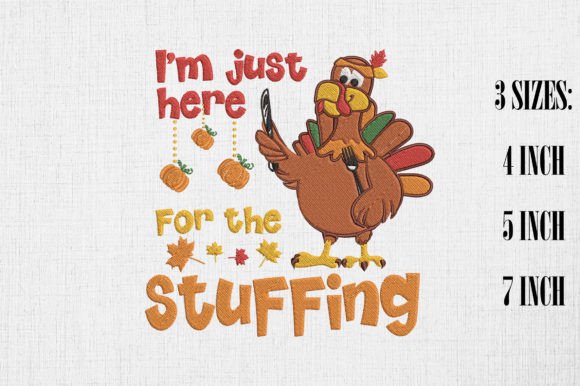
Another concern is thread colors. The design likely relies on autumnal tones—burnt oranges, deep reds, and warm browns. Ensure these colors contrast sufficiently with your garment choices. Embroidering a dark brown design on a black uniform will result in poor visibility. Always create a printable mockup or a physical sample to verify color contrast before committing to full production.
Where to Use Caution
Not every item is suitable for every design. With One Thankful Teacher Thanksgiving, there are specific scenarios where you should proceed with care:
- Small Patch Sizes: If the design includes fine details or small text, shrinking it down to a one-inch patch may cause the stitches to merge, resulting in a blob rather than a legible image. Check the minimum recommended size in the file documentation.
- Textured Fabric: Heavily textured materials like corduroy or thick wool can obscure detailed embroidery. The needles may deflect, causing misalignment. Test on similar textures to ensure clarity.
- Frequent Washing: Items like work shirts and aprons undergo rigorous cleaning. Ensure the thread quality is high-grade polyester or rayon to prevent fading or breaking. Poor quality thread will degrade the perceived value of your custom apparel quickly.
- Dark Uniforms: If using dark garments, you may need an underlay stitch or a white backing to make the colors pop. This adds time and cost to production, so factor this into your pricing.
Enhancing Brand Identity and Customer Trust
Ultimately, the goal of using One Thankful Teacher Thanksgiving is to strengthen brand identity. Consistent use of high-quality embroidery signals professionalism. When a customer receives a tote bag or a shirt with crisp, well-executed stitching, their trust in the brand increases. It suggests attention to detail and a commitment to quality.
For Etsy sellers and crafters, this design can be a cornerstone of seasonal design assets. By incorporating it into a cohesive collection—matching it with complementary fonts and graphics—you create a recognizable visual language. This consistency helps in building customer recognition and loyalty. Moreover, offering personalized items with this design can drive higher engagement, as customers feel a personal connection to the "thankful" message.
Practical Designer Notes for Business Owners
Before you launch your next campaign featuring this design, consider these final steps:
- Test in Black and White: Convert the design to grayscale in your software. If the details disappear, the contrast is insufficient, and you may need to adjust thread choices or simplify the design.
- Confirm Hoop Size: Ensure the design fits within your machine’s hoop capabilities without requiring excessive re-hooping, which can lead to alignment errors.
- Check Commercial Licensing: The description does not explicitly state license terms. Always verify that the digital embroidery file includes rights for commercial use, especially if you are selling the finished products or the patches themselves.
- Create Client Mockups: If you are doing custom work for clients, present a realistic mockup. Show them how the design looks on different fabrics and colors to manage expectations and reduce revision requests.
In conclusion, One Thankful Teacher Thanksgiving is a versatile and emotionally resonant addition to any embroidery designer’s library. When used strategically on the right products and executed with technical precision, it can significantly enhance the value of your commercial embroidery offerings. By focusing on quality materials, proper stabilizers, and thoughtful placement, you can transform this simple design into a powerful tool for brand storytelling and customer engagement.