Lovely Golden Owl: A Designer’s Practical Review
As someone who has spent years digitizing patterns and stitching out countless samples for clients, I have learned that not every machine embroidery design looks as good on fabric as it does on a screen. When I first encountered the Lovely Golden Owl, my initial reaction was cautious optimism. The preview promised a charming aesthetic, but in our line of work, charm means nothing if the stitch path is messy or the density ruins the hand of the fabric. I decided to put this design through its paces, treating it not just as a digital asset, but as a core component of a real-world embroidery project.
First Impressions: Mood and Visual Personality
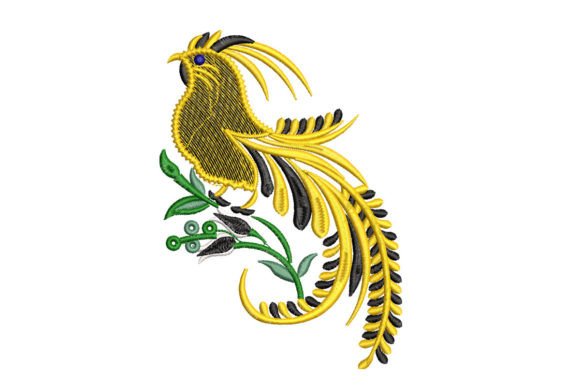
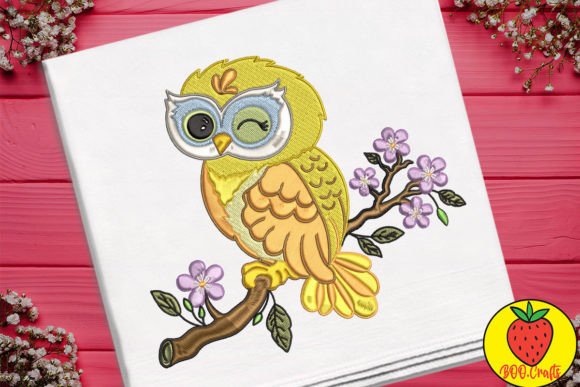
The Lovely Golden Owl immediately strikes a balance between whimsical and refined. It does not rely on overly complex shading or chaotic line work, which is often a red flag for home embroiderers using mid-range machines. Instead, the layout feels intentional. The shape is compact yet distinct, making it versatile enough for various applications without losing its identity. For those of us specializing in Birds and nature-themed Embroidery, finding a design that avoids the "cartoonish" trap while remaining accessible is rare. This owl carries a gentle warmth, likely due to the suggested golden tones, which evoke feelings of comfort and nostalgia. It is the kind of visual personality that works equally well for a high-end boutique nursery item or a casual weekend tote.
Real-World Application: The Tote Bag Test
To truly evaluate the design, I simulated a common client request: a custom embroidered tote bag for a local bookstore. I chose a medium-weight canvas, a fabric that can be unforgiving if the stitch density is too low, causing the background to show through, or too high, causing puckering. The Lovely Golden Owl performed admirably here. The design’s structure allowed it to sit flat against the textured surface of the canvas. I used a cut-away stabilizer to ensure longevity, as tote bags endure significant stress.
The result was a clean, professional-looking finished product. The owl did not get lost in the weave of the fabric, nor did it dominate the bag with excessive bulk. This suggests that the design is well-suited for tote bag design projects where durability and aesthetics must coexist. For an Etsy seller or small shop owner, this reliability is crucial. You cannot afford to waste expensive materials on a design that pulls or distorts after ten uses.
Versatility Across Apparel and Home Decor
Beyond canvas, I considered how this design would translate to other popular items. For sweatshirt embroidery, the owl’s moderate detail level is a significant advantage. Heavy fleece and French terry fabrics can swallow up tiny details, but this design maintains its clarity. It would make an excellent chest patch or a sleeve accent for custom apparel. Similarly, for baby embroidery, such as on a onesie or burp cloth, the lack of aggressive, sharp points makes it safe and soft against sensitive skin, provided you use a soft backing stabilizer.
In the realm of home decor, imagine this owl on a linen tea towel or a pillow cover. The "golden" aspect of the design implies a warmth that fits perfectly with autumnal or holiday themes. It could easily serve as a standout element in holiday embroidery collections, appealing to customers looking for subtle, elegant decor rather than loud, seasonal clichés. As a personalized gift, it offers a neutral enough theme that it appeals to a wide demographic, from children to adults who appreciate woodland motifs.
Technical Considerations and Potential Pitfalls
While the Lovely Golden Owl is robust, no design is universal. There are specific scenarios where caution is required. If you are working with very thin or stretchy fabrics, such as jersey knits for t-shirts, you must be mindful of the stitch density. Although the design appears balanced, any fill-heavy area can cause puckering if the fabric is not properly stabilized. I recommend testing on scrap fabric first, ideally with the same number of layers you intend to use in the final product.
Another critical factor is hoop size. While the description mentions it looks great on hats and shirts, you must confirm the actual dimensions of the embroidery file before purchasing. If you plan to use it on a curved surface like a cap, ensure the design height fits within your cap frame without distortion. Small details can sometimes merge when stitched on textured fabrics like terry cloth towels, so inspect the smaller elements of the owl’s face or feathers closely during your test run. If the design relies on fine satin stitch borders, ensure your machine tension is calibrated correctly to prevent thread breaks or loose loops.
Color Strategy and Thread Selection
The success of this design heavily depends on your choice of thread colors. The title suggests "Golden," but in embroidery, gold can range from a bright yellow-gold to a muted antique bronze. For a modern look, consider contrasting the owl against a navy or charcoal fabric. For a softer, vintage appeal, pair it with cream or sage green linens. I always advise creating black and white mockups before stitching. This helps you understand the value contrast and ensures the design remains recognizable even if viewed from a distance. Poor color contrast can render even the best design assets invisible.
Commercial Viability for Craft Businesses
For craft business owners and digital embroidery file sellers, the Lovely Golden Owl represents a solid addition to a portfolio. Its broad appeal makes it a safe bet for small shop product lines. Whether you are creating embroidered patch designs for iron-on application or direct-to-garment pieces, the design’s clarity supports high perceived value. Customers tend to trust handmade items that look precise and well-executed. A messy stitch-out undermines brand consistency, but a clean owl design reinforces professionalism.
When using this for commercial purposes, always verify the licensing terms. Most designers allow you to sell the handmade product you create, but restrictions may apply to mass production or sharing the digital file itself. Confirming these details protects your business and respects the creator’s intellectual property. Additionally, when listing items on platforms like Etsy, use high-quality photos that highlight the texture of the stitches. A good printable mockup can help visualize the design, but nothing sells better than a photo of the actual stitched item on a model or in a lifestyle setting.
Final Verdict and Designer Notes
In conclusion, the Lovely Golden Owl is a reliable, aesthetically pleasing choice for a variety of commercial embroidery and personal projects. It avoids the common pitfalls of overly dense or fragile designs, making it accessible for both beginners and seasoned professionals. However, success lies in the preparation. Always check the specific file formats compatible with your machine, test on your intended fabric, and adjust your stabilizer choice based on the material’s weight and stretch.
By treating this design with the respect it deserves—through careful testing and thoughtful color selection—you can create products that not only look beautiful but also stand the test of time. Whether you are decorating aprons, hats, canvas bags, or towels, this owl offers a charming touch that enhances the overall appeal of your work. It is a reminder that in embroidery, simplicity often yields the most elegant results.