Double Leaves: A Designer’s Review for Craft Fairs
As an embroidery designer who has spent countless hours behind the hoop and even more time standing behind a booth table at weekend markets, I have learned that not every design translates equally well to a finished product. Some designs look stunning on a screen but get lost in the fabric texture. Others are so dense they puckers the material before you even finish stitching. Today, I am putting Double Leaves under the microscope. This is not just a technical review; it is a practical assessment of how this specific pattern performs when your goal is to turn thread into profit.
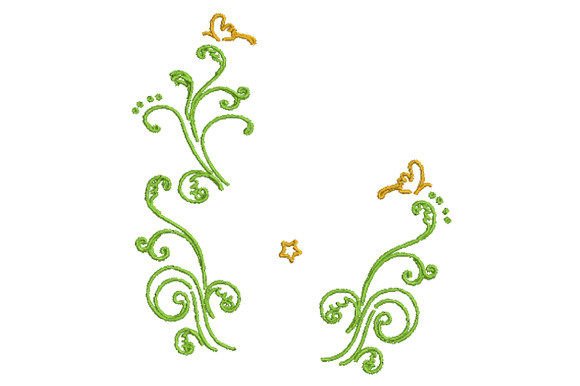
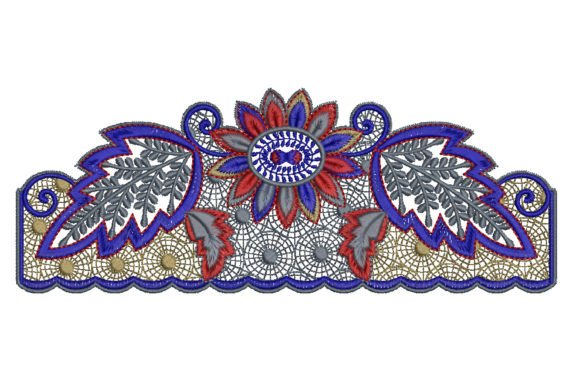
The Double Leaves pattern is described as a great and high-quality embroidery design that will make your designs look out of this world. It is categorized under Borders, which immediately tells me something about its intended use. Border designs are the unsung heroes of the handmade world. They frame, they accent, and they add a touch of professionalism without overwhelming the base item. For craft fair sellers and Etsy shop owners, understanding how to leverage a border design like this can be the difference between a browser and a buyer.
First Impressions and Aesthetic Appeal
When I first loaded the Double Leaves file into my editing software, the immediate impression was one of versatility. The title suggests a natural, organic motif, which aligns perfectly with current trends in farmhouse, rustic, and modern minimalist decor. In the context of a busy craft fair booth, clarity is king. Customers walk by quickly. They do not have time to decipher complex, muddy imagery. A leaf motif, especially one designed as a border, offers instant recognition. It feels fresh, clean, and adaptable.
This design does not scream for attention with loud colors or chaotic shapes. Instead, it whispers elegance. It is the type of machine embroidery design that appeals to buyers looking for subtle sophistication. Whether you are aiming for a soft, romantic vibe or a crisp, modern look, the double leaf structure provides a balanced symmetry that is pleasing to the eye. For boutique makers, this means the design can serve as a consistent brand element across various product lines, creating a cohesive visual identity.
Product Applications for Maximum Sales
The true test of any embroidery file is its application. Where does Double Leaves shine? Based on its classification as a border, I see immense potential in items that feature hems, edges, or panels. Here is how I would deploy this design in a real-world sales scenario:
- Tote Bags and Market Bags: A tote bag design needs to be durable and visible. Placing Double Leaves along the bottom hem or the top edge of a canvas tote creates a custom, high-end look. It transforms a plain bag into a statement piece.
- Aprons and Tea Towels: Kitchen textiles are staples of the handmade market. Apron embroidery often focuses on the bib or the waist tie. A border design works beautifully here, framing the functional areas. Similarly, tea towel embroidery benefits from border placements along the short ends, adding a decorative touch that does not interfere with the towel’s utility.
- Embroidered Patches: If the design scales down well, it can become a standalone embroidered patch. Patches are low-commitment purchases for customers and high-margin items for sellers. However, you must check the detail level at smaller sizes.
- Pillow Covers and Home Decor: Framing a pillow sham with this leaf pattern adds a tailored, designer feel. It elevates a simple linen cover into a luxury home accessory.
For Etsy sellers and digital creators, this design also serves as a strong asset for printable mockup creation. Because borders are structural, they photograph well in flat lays and lifestyle shots, helping online customers visualize the finished product.
Production Practicality and Batch Efficiency
From a production standpoint, time is money. When preparing for a craft fair, I need designs that are reliable and repeatable. Double Leaves appears to be structured for efficiency. Border designs often have fewer jump stitches than all-over prints because they follow a linear path. This means less trimming and faster hooping times. For a small shop product line, this efficiency allows for better batch production. You can hoop multiple items, run the machine, and move on to finishing touches without constant supervision.
However, practical selling points go beyond speed. The design must look good in person. A major advantage of a leaf border is its ability to hide minor imperfections in fabric alignment. Unlike a central motif that must be perfectly centered, a border can sometimes be adjusted slightly to accommodate fabric quirks, making it forgiving for beginners and efficient for pros.
Careful-Use Notes and Technical Considerations
While Double Leaves is described as high-quality, no design is universal. As an experienced designer, I must highlight areas where caution is needed. First, consider stitch density. Leaf designs can sometimes accumulate density at the tips or veins. If you are stitching on lightweight fabrics like silk or thin cotton, this could cause puckering. Always use the appropriate stabilizer. For stretchy fabrics, a cut-away stabilizer is non-negotiable. For woven fabrics like linen or canvas, a tear-away may suffice, but test first.
Fabric texture is another critical factor. On textured towels or thick denim, fine details can get lost. If the leaf veins are very thin, they might disappear into the pile of a terry cloth towel. In such cases, increasing the stitch width or using a contrasting thread color can help maintain visibility. Additionally, when working with dark fabrics, ensure your thread colors provide enough contrast. A green leaf on a navy background might look muddy; consider using gold, cream, or bright white threads to make the design pop.
Curved surfaces, such as caps, present a unique challenge. While the description mentions sewing onto any fabric, applying a border design to a curved cap brim or panel requires careful hooping and possibly a different digitizing approach to prevent distortion. If you are new to cap embroidery, start with flat items like patches or tote bags before attempting hats.
Enhancing Visual Appeal and Brand Value
Ultimately, the goal of using Double Leaves is to enhance the perceived value of your handmade product. A well-executed border signals attention to detail. It tells the customer that this is not mass-produced; it is crafted. This perception drives buyer engagement and justifies higher price points. In a booth display, items featuring this design can act as anchor pieces. They draw the eye and invite closer inspection.
For commercial embroidery ventures, consistency is key. Using the same design element across different products creates a recognizable brand language. When a customer sees the double leaf motif on a tote, then on an apron, and then on a pillow, they begin to associate that aesthetic with your brand. This builds trust and encourages repeat purchases.
Final Designer Recommendations
Before you launch Double Leaves into your product lineup, take these practical steps. First, always test the design on scrap fabric that matches your final product. Check the tension, the thread breakage, and the overall look. Second, verify the hoop size requirements. Since this is a border, ensure your hoop can accommodate the length of the design, especially if you plan to stitch it on larger items like table runners.
Third, confirm the licensing terms. The description notes it is a machine embroidery design, but you must ensure you have the rights for commercial embroidery if you plan to sell finished goods. Most designers allow this, but it is crucial to read the specific license included with your digital embroidery file.
Finally, create at least one real mockup for your marketing materials. Photograph the stitched design in natural light. Show the texture of the thread and the quality of the stitches. These images will be your strongest sales tool online and in print.
In conclusion, Double Leaves is a versatile, professional-grade addition to any embroidery designer’s library. It bridges the gap between decorative flair and practical application. For craft fair sellers and handmade business owners, it offers a reliable way to add value to everyday items. By respecting the technical nuances of fabric, stabilizer, and thread choice, you can transform this simple border into a standout feature that drives sales and delights customers.