Candy Inspector: A Designer’s Review for Branded Merch
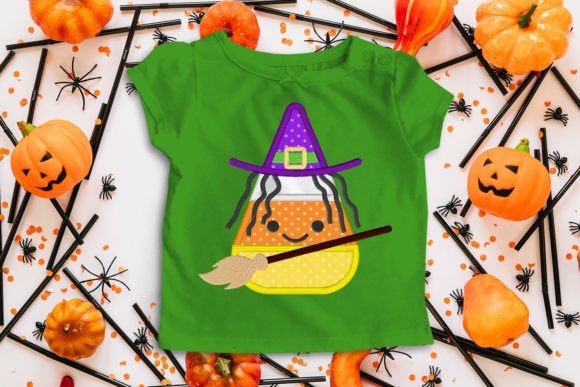
As an embroidery designer who has spent years digitizing and testing files for small business applications, I approach every new machine embroidery design with a critical eye. It is not enough for a motif to be cute; it must be functional, scalable, and commercially viable. Recently, I evaluated the Candy Inspector design, a charming Halloween-themed motif intended for costumes and treat bags. While the initial description highlights its playful nature, my focus was strictly on its potential as a versatile asset for branded merchandise, custom apparel, and boutique product lines.
First Impressions: Balancing Playfulness with Professionalism
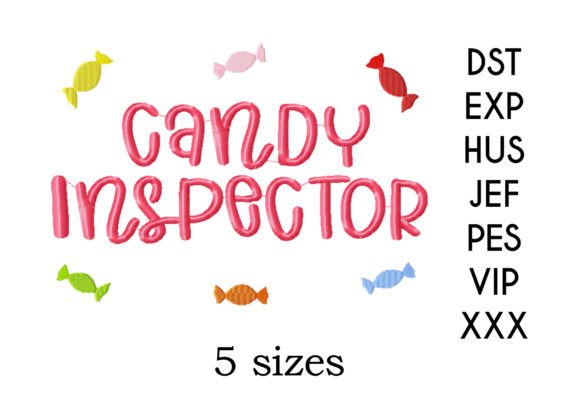
The Candy Inspector immediately strikes a balance between whimsical and structured. For a Halloween category item, it avoids the overly grotesque or chaotic aesthetics that often limit commercial appeal. Instead, it offers a friendly, approachable vibe that translates well beyond seasonal costumes. This visual personality is crucial for small business owners who want to inject personality into their brand without sacrificing professionalism. The design feels handmade yet polished, suggesting that it could serve as a delightful accent for bakeries, candy shops, or creative studios looking to add a touch of seasonal flair to their brand identity.
When reviewing the visual weight of the design, it appears robust enough to hold its own on various fabrics. However, the charm lies in its simplicity. In the world of commercial embroidery, simpler designs often yield higher quality results because they reduce the risk of thread breaks and fabric puckering. This design seems to prioritize clear outlines and recognizable shapes, which is essential when scaling down for smaller applications like patches or cap fronts.
Real-World Business Applications
The true test of any digital embroidery file is its versatility across different products. Here is how I envision the Candy Inspector performing in real-world business scenarios:
- Embroidered Patches: This is perhaps the strongest use case. The design’s contained shape makes it ideal for iron-on or sew-on patches. Small businesses can produce batches of these as limited-edition collectibles or add-ons for customer orders. A patch allows the customer to apply the design to jackets, bags, or hats later, increasing the perceived value of the handmade product.
- Staff Uniforms and Aprons: For cafes, bakeries, or boutique retail stores, staff uniforms are walking advertisements. Embroidering the Candy Inspector on the chest pocket of an apron or shirt adds a layer of approachability. It signals to customers that the brand is fun and attentive to detail. However, placement is key; a left-chest position ensures visibility without overwhelming the garment.
- Cap Embroidery: Caps are high-margin items for merch creators. The design’s width needs to be checked against standard cap front panels. If the design is too wide, it may wrap around the curved seams, causing distortion. If scaled correctly, it serves as an excellent focal point for promotional headwear.
- Tote Bag Design: Reusable tote bags are staples for eco-conscious brands. The Candy Inspector can be embroidered on the lower corner or center of a canvas tote. This transforms a simple bag into a branded accessory that customers will use repeatedly, extending the reach of your small business merch.
Technical Considerations for Production
While the aesthetic appeal is strong, technical execution determines the quality of the finished product. As a designer, I advise caution in several areas before running a full production batch.
Stitch Density and Fabric Texture: Halloween designs sometimes rely on heavy saturation to create bold colors. If the Candy Inspector has high stitch density, it may pucker lightweight fabrics like thin cotton or polyester blends. Always test the design on the specific fabric you intend to use. For textured fabrics like towels or heavy canvas, ensure the stitch length is adjusted to prevent sinking into the material.
Small Scale Legibility: If you plan to use this as a sleeve detail or on a small label, verify that the fine details do not merge together. Tiny lettering or intricate outlines can become a blob of thread if scaled down too far. I recommend stitching a test sample at the smallest intended size to check for clarity.
Stabilizer Selection: The choice of stabilizer is non-negotiable for professional results. For stretchy fabrics like t-shirts, a cut-away stabilizer is essential to maintain shape after washing. For woven fabrics like aprons or tote bags, a tear-away may suffice, but a mesh top stabilizer can help prevent punch-out on delicate materials.
Enhancing Brand Identity and Customer Trust
Consistency in design assets builds trust. When a customer sees the same high-quality embroidery on your packaging, social media printable mockup, and physical product, it reinforces brand recognition. The Candy Inspector can become a signature element of your seasonal campaign. By using it consistently across custom apparel and accessories, you create a cohesive visual narrative.
Moreover, high-quality embroidery signals premium value. A poorly stitched design can detract from a brand’s image, while a clean, crisp embroidery job elevates the perceived worth of the item. This is particularly important for Etsy sellers and crafters who compete on quality and uniqueness. Using a well-digitized file like this one demonstrates attention to detail, encouraging buyer engagement and repeat purchases.
Practical Designer Notes for Implementation
Before integrating the Candy Inspector into your product line, follow these steps to ensure success:
- Test in Black and White: Stitch the design in a single color first. This helps you evaluate the structure and spacing without the distraction of thread colors. If it looks good in monochrome, it will look great in color.
- Check Hoop Size Compatibility: Confirm that the design fits within your machine’s hoop size. If you need to resize it significantly, be aware that this can alter stitch density and potentially cause issues.
- Review Thread Color Contrast: Choose thread colors that contrast well with your fabric. For dark uniforms, consider using lighter threads or adding an underlay to make the design pop. For light fabrics, ensure the colors are vibrant enough to stand out.
- Create a Mockup: Before committing to production, create a printable mockup or digital preview to show clients or stakeholders. This helps manage expectations and allows for feedback on placement and size.
- Verify Licensing: Always confirm the commercial licensing terms of the embroidery file. Ensure you have the right to use the design for sold goods, especially if you are producing items for third-party clients.
In conclusion, the Candy Inspector is more than just a festive motif; it is a viable tool for small business branding. With careful attention to technical details and strategic placement, it can enhance your small business merch, strengthen your brand identity, and delight your customers. Whether used on an apron, a patch, or a tote, this design offers a charming way to connect with your audience during the Halloween season and beyond.